
 While I did see some potentially cool educational devices, like Samsung’s version of an IWB (see pic below) or Vitiny’s Digital Portable Microscope, what I really took away from the conference was the overall sense of direction that technology is going in the near future. The conference revealed future trends in technology that the Education field needs to be aware of and plan for.
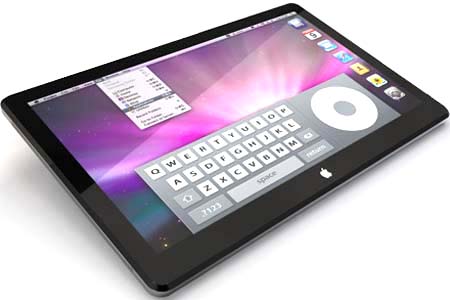
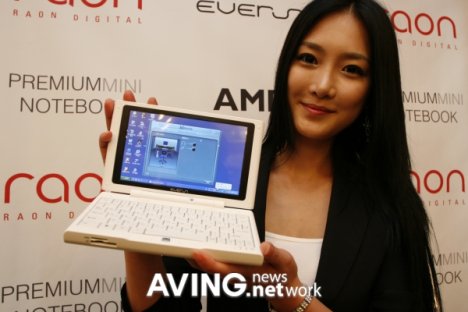
The most obvious trend related to our push in education to supply one standardized format of computing to students. This is the completely opposite direction that the market is heading. Take, for example, the tablet. 80 different tablets (ipad competitors) were revealed at CES by a plethora of different companies. As expected, all of the big names in electronics (Samsung, LG, Panasonic, Toshiba [liked this one] to name a few) released their version of the tablet with both Microsoft Windows and Google Android operating systems (Android seemed far less clunky and cumbersome). What was a big surprise were the dozens of unknown (at least to me) Asian companies that also released their versions of the tablet. These companies generally offered tablets in a variety of sizes and some had additional features that their big-name cousins couldn't offer (such as multiple SD, HDMI or USB inputs). While they couldn't give us an exact price, one can imagine that these tablets would be available for significantly less than the name brand versions, while the build quality seemed to be the same if not better.
Is the tablet the answer for schools? I would say no. Although their portability, price, and functionality are extremely enticing, one major contender in the electronics game doesn’t even seem interested in making them. Sony does not, as of yet, have a tablet. Considering that Sony is quick to make any type of device they believe can put their name into people’s homes, their lack of a tablet at CES seemed like a curious omission. To me this means that either Sony is cooking up something to potentially give them a monopoly on the portable computing market (think Blu-Ray, not Betamax), or they’ve given up hope of ever competing with the iPad.

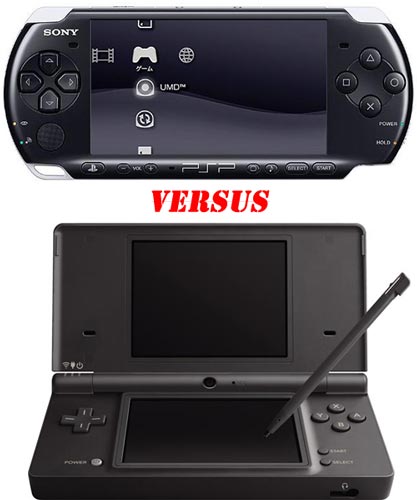
What does this have to do standardized formats in schools? The vast number of tablets signifies a trend in technology where people are no longer using just 2 types of computers (PC and Mac). Now, computing devices transcend everyday life. Computers, laptops, netbooks, tablets, gaming devices and Smartphones (along with multiple operating systems) will become more common, especially as size and price drop, while functionality increases. To hold students to one type of computer system that is rapidly becoming non-native to them may actually be limiting their ability to find information and create new knowledge. We are fighting a losing battle. What we need to focus on is the “seamless integration” of multiple computing devices and operating systems.
Students should be able to bring whatever devices they wish from home, or use school provided devices if they choose not to, and connect seamlessly to school systems and wireless internet. Cloud based storage services (such as Google Docs, Dropbox or Skydrive) can be utilized to allow student access to their files anyplace at anytime from any device. Web 2.0 applications (soon Microsoft Office will be all web-based) will allow students to create knowledge and evidence of their learning whenever and wherever they choose. We need to drop-out of the standardization race that we could never possibly win and prepare for multi-platform devices. It’s all about developing flexible and adaptable systems for the constantly changing world of technology.